



Boost Listening Skills for an Easy Primary School Transition
Listening skills are not just a cornerstone of effective communication; they are a critical factor in your child’s transition into primary school and their overall success throughout their academic journey. The transition to primary school is one of the most
Upcoming Changes to the NDIS (NDIS Amendment Bill)
The National Disability Insurance Scheme (NDIS) provides financial support to Australians with significant and permanent disabilities, helping them access essential services and live a more independent life. The NDIS covers a wide range of supports, from personal care and therapy-based

Decoding Mental Health Issues in a Functional Capacity Assessment (FCA)
Functional Capacity Assessments (FCAs) are crucial tools in the field of occupational therapy. They provide a systematic and objective evaluation of an individual’s ability to perform a variety of daily tasks and activities, ranging from basic self-care to complex work-related

Custom Behavioural Support PlansPersonalised To You
Behavioural Support Plans (BSPs) serve as a cornerstone in the realms of behavioural therapy and behaviour management. They are intricately designed to address and mitigate problematic behaviours that can impede an individual’s growth, learning, and overall well-being. It’s crucial to

Speech Therapy for Late Talkers: When and How to Seek Help
Late talkers, those children who demonstrate a delay in their language development, may spark concern among parents. Recognizing a child isn’t meeting the typical language milestones for their age can be anxiety-inducing, and parents may worry about how this will

Helping Young Adults with Autism Transition to Independence
Autism, a neurological and developmental condition, presents a unique set of challenges for individuals as they navigate the path to adulthood. While every person with autism is unique, the transition from adolescence to adulthood often brings amplified difficulties in social

Designing A Dementia-Friendly Home with an OT
Dementia, a complex and progressive neurological disorder, can profoundly impact a person’s cognitive abilities, leading to memory loss, disorientation, and challenges in performing daily activities. As dementia progresses, the home environment can become a source of confusion and frustration, or
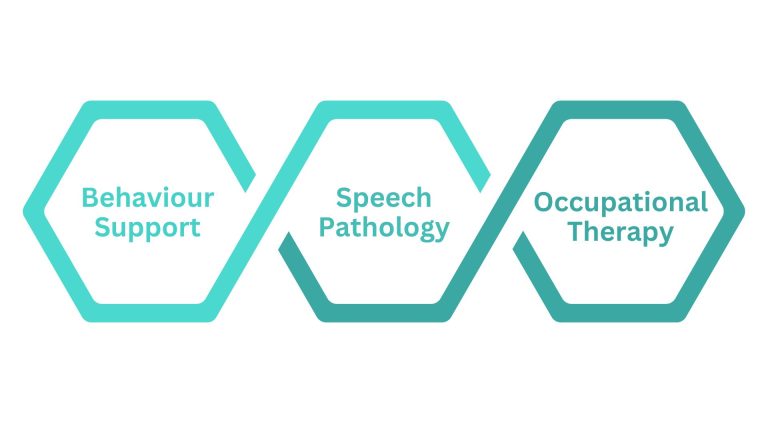
Benefits of Combined Behaviour, Speech, and OT Sessions
When considering child development and the various challenges they may face, combined therapy sessions incorporating behaviour, speech, and occupational therapy (OT) have emerged as a comprehensive approach to addressing a child’s unique needs. By integrating these therapeutic disciplines, children receive

Comprehensive vs Interim Behavioural Support Plans
Behavioural Support Plans (BSPs) are critical tools in managing challenging behaviours, addressing problematic behaviours, or promoting positive behaviour—particularly in individuals with disabilities or mental health conditions. These plans are designed to improve quality of life by reducing problematic behaviours and

How Telehealth OT is Revolutionising Home Care
Telehealth Occupational Therapy (telehealth OT) represents a paradigm shift in the delivery of occupational therapy healthcare services, particularly in the home care sector. Traditionally, home care has been characterised by physical visits from healthcare professionals to patients in their homes,

Effective Speech Pathology Strategies for Non-Verbal Autism
Non-verbal autism is a subtype of autism spectrum disorder characterised by significant challenges in verbal communication. Individuals with non-verbal autism may not use spoken language to communicate, but this does necessarily mean an inability to communicate. Rather, individuals with non-verbal

How to Access Behaviour Support Services Effectively
Behavioural issues can manifest in various ways, often stemming from a range of underlying causes like developmental disorders, mental health conditions, trauma, or environmental factors. These impact individuals and families, leading to significant challenges in daily life, and often causing

Supporting Dementia Patients: How OT Can Help
Dementia affects millions of people worldwide, causing a decline in memory, thinking, and the ability to perform everyday activities. This progressive condition can lead to severe cognitive impairment, making it difficult for patients to communicate and maintain their independence. It

OT Activities for Adults: Enhancing Daily Living Skills
Occupational therapy helps people develop, recover, or maintain the skills needed to participate more fully in the activities of everyday life. This can include everything from self-care and household tasks to work and leisure activities. It is a vital service

When to Be Concerned About a Toddler’s Speech Development
The journey of a child’s growth is exciting and filled with milestones, each one representing a new skill or ability. One of the most anticipated milestones is toddler speech development. This phase marks a significant leap in a child’s cognitive
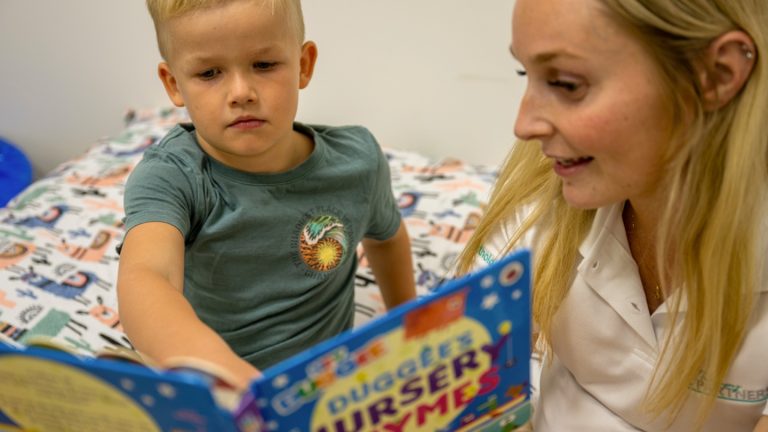
When to Refer Your Child to Occupational Therapy
Occupational therapy (OT) focuses on promoting health and well-being through meaningful activities and interventions. It is designed to help people of all ages live life to its fullest, overcoming physical, mental, or cognitive barriers. By addressing these challenges, OT aims

Emotional Regulation: Strategies for Better Mental Health
Emotional regulation is a crucial aspect of our mental health that often goes unnoticed. Despite its significance, many people are unaware of how their ability to manage emotions can impact their daily lives and overall well-being. It refers to our

Preparing for NDIS: Tips and Insights
The National Disability Insurance Scheme (NDIS) is a major initiative in Australia designed to provide support to individuals living with a range of physical, sensory, intellectual, and psychosocial disabilities. It aims to empower these individuals by funding services and supports

Effective Communication for Individuals with Aphasia
Aphasia is a neurological condition that affects the ability to communicate; impacting speech, comprehension, reading, and writing abilities. It often leaves individuals feeling isolated and misunderstood, as their capacity to express themselves and understand others is compromised. This can have

Benefits of Home Modifications: Enhancing Accessibility
Creating a safe and accessible living environment is crucial for maintaining independence and quality of life, especially for individuals with physical limitations. An accessible home ensures that daily activities can be performed safely and comfortably, reducing the risk of accidents

Optimal Ages for Starting Speech Therapy
Speech therapy helps children with communication disorders improve their speech and language skills, ensuring they can articulate words more clearly and understand and process language effectively. The benefits of speech therapy are plentiful; as it not only enhances spoken language,

Supporting Parkinson’s Disease Patients with Specialised Care
Parkinson’s Disease, a long-term degenerative disorder of the nervous system that primarily affects the motor system, is a condition that necessitates more than just general care. It impacts movement, muscle control, and balance, making everyday tasks increasingly challenging. As the

Top 10 Tips for School Transition for Children
Transitioning to a new school can be an exciting, yet challenging time for children of all ages. Whether it’s the first day of kindergarten or moving to an entirely new school, these moments are significant milestones in a child’s life

Augmentative & Alt. Communication (AAC) for Children vs Adults
Augmentative and Alternative Communication (AAC) encompasses all forms of communication, other than oral speech, that are used to express thoughts, needs, wants, and ideas of an individual. These forms of communication can include gestures, facial expressions, symbols, pictures, and written
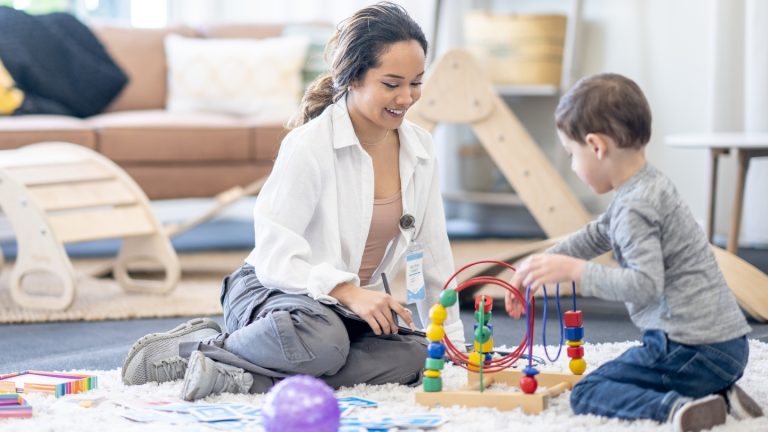
What Happens During an OT Home Visit?
Occupational therapists help individuals regain, develop, or maintain the skills they need for day-to-day activities, fostering greater independence and improving quality of life. These professionals work with people of all ages who are facing physical, mental, or developmental challenges, providing

Handling Vocal Fatigue: Tips & Treatments
Vocal fatigue is an issue that can disproportionately affect many people who rely on their voice for their work. It’s a condition that can affect anyone from teachers and coaches to singers and public speakers, impairing the ability to communicate

Enhancing Positive Behaviour in Therapy
Positive behaviour is a crucial aspect of therapy success across various disciplines, including occupational therapy, speech pathology, and behavioural support. It involves adopting actions, attitudes, and reactions that contribute to personal growth, effective communication, and overall well-being. In behavioural support

Occupational Therapy’s Role in Stroke Rehabilitation
A stroke, a leading cause of disability worldwide, can drastically alter a person’s life. Strokes can impair physical movement, communication ability, emotional regulation, and cognitive functions, presenting unique challenges for each individual affected. However, with effective stroke rehabilitation, many individuals

Speech Clarity Techniques for Children
The magic of language is a gift we often take for granted. Language allows us to express our thoughts, share our feelings, and connect with others. Yet, for many children, developing clear speech can be a challenge. Difficulties in articulation

OT & ADHD in Children: Fostering Focus & Self-Regulation
Attention Deficit Hyperactivity Disorder (ADHD) is a common neurodevelopmental disorder that affects millions of children worldwide. It often leads to challenges in academic, social, and emotional development, and is characterised by persistent patterns of inattention, hyperactivity, and impulsivity that can

Handwriting Challenges in Children: Solutions From an OT
Handwriting skills are more than just getting your pen licence, handwriting is an essential part of a child’s academic and personal development. Handwriting not only facilitates communication, but also serves as a foundation for educational success, allowing children to express

Understanding Stuttering: A Speech Pathologist’s Guide
Stuttering is a speech disorder that affects approximately 1% of the world’s population. Characterised by disruptions in the flow of speech (often leading to repetitions, prolongations, and blocks in sounds, syllables, or words), understanding stuttering is a crucial step in

Sensory Processing in Paediatric OT
Sensory processing is a crucial aspect of child development. It’s fundamental to understand that the way a child perceives and responds to sensory stimuli from their environment is integral to their overall growth and capacity to learn. This involves the

Speech Pathology Approaches for Parkinson’s Disease
Parkinson’s Disease, a neurodegenerative disorder, primarily affects dopamine-producing neurons in the brain, leading to a range of both motor and non-motor symptoms. The progressive nature of Parkinson’s means that these symptoms gradually worsen over time, posing increasing challenges to those

Early Intervention in Occupational Therapy
Occupational therapy (OT) is a dynamic and ever-evolving field that aims to improve the quality of life for individuals who face challenges in their daily activities. By focusing on enhancing personal independence in performing everyday tasks, occupational therapy offers tailored

Occupational Therapy for Adults with Dementia
Dementia is a progressive condition that affects millions of adults globally, impacting their cognitive function and ability to perform daily activities independently. Characterised by a decline in memory, problem-solving skills, and other cognitive abilities, dementia can significantly alter an individual’s

Augmentative Alternative Communication in Speech Pathology
Augmentative and Alternative Communication (AAC) is a type of communication strategy within speech pathology, offering a lifeline to those who struggle with natural speech. This approach focuses on compensatory strategies and technologies designed to support or replace traditional speech, enabling

The Impact of Sensory Play in Child Development
Sensory play, a type of play that stimulates children’s senses, plays a crucial role in child development. By immersing children in rich, tactile experiences, sensory play helps to build nerve connections in the brain’s pathways, which are essential for a

Encouraging Positive Behaviour with Positive Behaviour Support
Encouraging positive behaviour is pivotal in fostering an environment that promotes growth, productivity, and overall well-being. This goes beyond merely disciplining negative actions; it’s about creating a supportive atmosphere where positive actions are recognized and reinforced. In such environments, individuals

OT Home Modifications Enhancing Daily Living
Occupational therapy (OT) is a vital tool that aids individuals with disabilities to live independently and enjoy a better quality of life. By focusing on improving functional abilities and adapting the environment to meet individual needs, OT empowers people with

Speech Pathology & Autism Spectrum Disorder
Autism Spectrum Disorder (ASD) is a complex neurological and developmental disorder that affects how people perceive and interact with the world around them. One of the most significant challenges faced by individuals with ASD is communication, which can range from

Behavioural Support Strategies for Managing ADHD in Children
Attention Deficit Hyperactivity Disorder (ADHD) is a common neurodevelopmental disorder that affects children worldwide. Characterised by persistent patterns of inattention, hyperactivity, and impulsivity, ADHD can significantly disrupt academic performance, social interactions, and family dynamics, often leading to stress and frustration

Finding an NDIS Registered Occupational Therapist
The National Disability Insurance Scheme (NDIS) has revolutionised the way Australians with disabilities receive support, including access to crucial occupational therapy services. The process of finding an NDIS registered Occupational Therapist (OT) can be daunting, but is an essential step

Functional Capacity Reports for Children
The term Functional Capacity Assessment (FCA) might not be as familiar as a routine check-up or a vaccination schedule. However, these OT reports play a critical role in a child’s development. An FCA, such as those used in the National

Feeding and Swallowing Challenges in Children
Navigating the world of feeding and swallowing challenges in children can be daunting for parents and caregivers. These difficulties not only impact a child’s nutritional intake but also their overall development and quality of life. Thankfully, paediatric speech pathology offers

Decoding the Sensory Profile (OT Report)
Navigating the complexities of childhood development can be a challenging journey for parents and caregivers, especially when faced with sensory processing issues that can significantly impact a child’s day-to-day life. Understanding these challenges is crucial, and that’s where the Sensory

OT and Speech Pathology has never been easier
The integration of speech and occupational therapy presents a simple solution for families navigating the complexities of developmental challenges. For families needing multiple NDIS services, travelling between different clinics, juggling different therapists, and avoiding miscommunications becomes difficult. At Therapy Partners

Support for OT Home Modification Assessments
Creating accessible living environments is crucial for individuals with mobility or sensory challenges. Occupational Therapists (OTs) play a vital role in this process through Home Modification Assessments. These assessments are not just about making a space more navigable; they’re about

Maximising Independence with OT Functional Capacity Assessments
Occupational Therapy (OT) plays a pivotal role in enhancing the quality of life and independence of individuals facing various challenges in their daily activities due to health conditions, disabilities or accessibility needs. At the heart of occupational therapy lies the

Executive Function Skills…The Building Blocks of Independence
Navigating through the complexities of everyday life requires a set of crucial cognitive abilities known as executive function skills. These skills are the cerebral architects that shape our decision-making, emotional control, and, ultima…

Getting Ready for Telehealth Occupational Therapy
Recently, digital health has seen the remarkable growth of telehealth occupational therapy (OT) – transforming the way care is delivered across borders and boundaries. As this trend becomes an integral part of our lives, the need for ensuring home workspaces

Bilateral Coordination: Why It’s Crucial and How OT Helps
Bilateral motor coordination, a term that might not be familiar to everyone, is actually an essential skill we use every day. This ability allows us to use both sides of our body in a coordinated and synchronised manner. Often underestimated,

Myofunctional Therapy: More Than Just a Beautiful Smile
When you hear “Myofunctional Therapy,” what springs to mind? If it’s the thought of a radiant smile and well-aligned teeth, you’re not alone. But don’t be fooled—there’s a plethora of benefits hiding behind that dazzling facade. Myofunctional therapy serves more

A Parents Guide: Navigating School Transitions for Children with Accessibility Needs
Embarking on a new educational journey can be a daunting endeavour, especially for children with special needs. Smooth school transitions are not just a luxury; they’re a necessity for holistic developmental progression. From emotional imbalances to academic stumbling blocks, the

The Benefits of Weighted Blankets in OT
Weighted blankets, once the purview of a specialised audience, have taken a spotlight in both mainstream wellness circles and therapeutic settings. Known for their calming and healing effects, they are making waves in the realm of occupational therapy and speech

Telehealth OT for Fine Motor Skill Development: A Virtual Leap Forward
Telehealth is streamlining the ways in which we can approach health, wellness and ultimately getting the support needed. Telehealth in Occupational Therapy (OT) is no exception, with video call tools opening new doors for effective and personalised care, including with

“Is My Child Ready for High School?”…What Every Parent Needs to Know
Transitioning to high school is a significant milestone, often fraught with a blend of excitement and trepidation, not only for children but also for their parents. The passage from primary to secondary education brings forth a range of new challenges

Tips for Parents: Supporting Speech Development at Home
The role of a parent in a child’s life is multifaceted and ever-evolving, particularly when it comes to the realm of speech development. The home becomes the child’s initial learning ground, and parents their earliest teachers, making their involvement crucial

Occupational Therapy in Schools: Enhancing Learning, Development, and Well-being
Occupational therapy is an invaluable resource in schools, playing a crucial role in enhancing learning, development, and overall well-being of students. With a focus on promoting academic success and addressing various challenges, occupational therapy in schools has proven to be
Boost Listening Skills for an Easy Primary School Transition
Listening skills are not just a cornerstone of effective communication; they are a critical factor in your child’s transition into primary school and their overall success throughout their academic journey. The transition to primary school is one of the most
Upcoming Changes to the NDIS (NDIS Amendment Bill)
The National Disability Insurance Scheme (NDIS) provides financial support to Australians with significant and permanent disabilities, helping them access essential services and live a more independent life. The NDIS covers a wide range of supports, from personal care and therapy-based
Decoding Mental Health Issues in a Functional Capacity Assessment (FCA)
Functional Capacity Assessments (FCAs) are crucial tools in the field of occupational therapy. They provide a systematic and objective evaluation of an individual’s ability to perform a variety of daily tasks and activities, ranging from basic self-care to complex work-related
Custom Behavioural Support PlansPersonalised To You
Behavioural Support Plans (BSPs) serve as a cornerstone in the realms of behavioural therapy and behaviour management. They are intricately designed to address and mitigate problematic behaviours that can impede an individual’s growth, learning, and overall well-being. It’s crucial to
Speech Therapy for Late Talkers: When and How to Seek Help
Late talkers, those children who demonstrate a delay in their language development, may spark concern among parents. Recognizing a child isn’t meeting the typical language milestones for their age can be anxiety-inducing, and parents may worry about how this will
Helping Young Adults with Autism Transition to Independence
Autism, a neurological and developmental condition, presents a unique set of challenges for individuals as they navigate the path to adulthood. While every person with autism is unique, the transition from adolescence to adulthood often brings amplified difficulties in social
Designing A Dementia-Friendly Home with an OT
Dementia, a complex and progressive neurological disorder, can profoundly impact a person’s cognitive abilities, leading to memory loss, disorientation, and challenges in performing daily activities. As dementia progresses, the home environment can become a source of confusion and frustration, or
Benefits of Combined Behaviour, Speech, and OT Sessions
When considering child development and the various challenges they may face, combined therapy sessions incorporating behaviour, speech, and occupational therapy (OT) have emerged as a comprehensive approach to addressing a child’s unique needs. By integrating these therapeutic disciplines, children receive
Comprehensive vs Interim Behavioural Support Plans
Behavioural Support Plans (BSPs) are critical tools in managing challenging behaviours, addressing problematic behaviours, or promoting positive behaviour—particularly in individuals with disabilities or mental health conditions. These plans are designed to improve quality of life by reducing problematic behaviours and
How Telehealth OT is Revolutionising Home Care
Telehealth Occupational Therapy (telehealth OT) represents a paradigm shift in the delivery of occupational therapy healthcare services, particularly in the home care sector. Traditionally, home care has been characterised by physical visits from healthcare professionals to patients in their homes,
Effective Speech Pathology Strategies for Non-Verbal Autism
Non-verbal autism is a subtype of autism spectrum disorder characterised by significant challenges in verbal communication. Individuals with non-verbal autism may not use spoken language to communicate, but this does necessarily mean an inability to communicate. Rather, individuals with non-verbal
How to Access Behaviour Support Services Effectively
Behavioural issues can manifest in various ways, often stemming from a range of underlying causes like developmental disorders, mental health conditions, trauma, or environmental factors. These impact individuals and families, leading to significant challenges in daily life, and often causing
Supporting Dementia Patients: How OT Can Help
Dementia affects millions of people worldwide, causing a decline in memory, thinking, and the ability to perform everyday activities. This progressive condition can lead to severe cognitive impairment, making it difficult for patients to communicate and maintain their independence. It
OT Activities for Adults: Enhancing Daily Living Skills
Occupational therapy helps people develop, recover, or maintain the skills needed to participate more fully in the activities of everyday life. This can include everything from self-care and household tasks to work and leisure activities. It is a vital service
When to Be Concerned About a Toddler’s Speech Development
The journey of a child’s growth is exciting and filled with milestones, each one representing a new skill or ability. One of the most anticipated milestones is toddler speech development. This phase marks a significant leap in a child’s cognitive
When to Refer Your Child to Occupational Therapy
Occupational therapy (OT) focuses on promoting health and well-being through meaningful activities and interventions. It is designed to help people of all ages live life to its fullest, overcoming physical, mental, or cognitive barriers. By addressing these challenges, OT aims
Emotional Regulation: Strategies for Better Mental Health
Emotional regulation is a crucial aspect of our mental health that often goes unnoticed. Despite its significance, many people are unaware of how their ability to manage emotions can impact their daily lives and overall well-being. It refers to our
Preparing for NDIS: Tips and Insights
The National Disability Insurance Scheme (NDIS) is a major initiative in Australia designed to provide support to individuals living with a range of physical, sensory, intellectual, and psychosocial disabilities. It aims to empower these individuals by funding services and supports
Effective Communication for Individuals with Aphasia
Aphasia is a neurological condition that affects the ability to communicate; impacting speech, comprehension, reading, and writing abilities. It often leaves individuals feeling isolated and misunderstood, as their capacity to express themselves and understand others is compromised. This can have
Benefits of Home Modifications: Enhancing Accessibility
Creating a safe and accessible living environment is crucial for maintaining independence and quality of life, especially for individuals with physical limitations. An accessible home ensures that daily activities can be performed safely and comfortably, reducing the risk of accidents
Optimal Ages for Starting Speech Therapy
Speech therapy helps children with communication disorders improve their speech and language skills, ensuring they can articulate words more clearly and understand and process language effectively. The benefits of speech therapy are plentiful; as it not only enhances spoken language,
Supporting Parkinson’s Disease Patients with Specialised Care
Parkinson’s Disease, a long-term degenerative disorder of the nervous system that primarily affects the motor system, is a condition that necessitates more than just general care. It impacts movement, muscle control, and balance, making everyday tasks increasingly challenging. As the
Top 10 Tips for School Transition for Children
Transitioning to a new school can be an exciting, yet challenging time for children of all ages. Whether it’s the first day of kindergarten or moving to an entirely new school, these moments are significant milestones in a child’s life
Augmentative & Alt. Communication (AAC) for Children vs Adults
Augmentative and Alternative Communication (AAC) encompasses all forms of communication, other than oral speech, that are used to express thoughts, needs, wants, and ideas of an individual. These forms of communication can include gestures, facial expressions, symbols, pictures, and written
What Happens During an OT Home Visit?
Occupational therapists help individuals regain, develop, or maintain the skills they need for day-to-day activities, fostering greater independence and improving quality of life. These professionals work with people of all ages who are facing physical, mental, or developmental challenges, providing
Handling Vocal Fatigue: Tips & Treatments
Vocal fatigue is an issue that can disproportionately affect many people who rely on their voice for their work. It’s a condition that can affect anyone from teachers and coaches to singers and public speakers, impairing the ability to communicate
Enhancing Positive Behaviour in Therapy
Positive behaviour is a crucial aspect of therapy success across various disciplines, including occupational therapy, speech pathology, and behavioural support. It involves adopting actions, attitudes, and reactions that contribute to personal growth, effective communication, and overall well-being. In behavioural support
Occupational Therapy’s Role in Stroke Rehabilitation
A stroke, a leading cause of disability worldwide, can drastically alter a person’s life. Strokes can impair physical movement, communication ability, emotional regulation, and cognitive functions, presenting unique challenges for each individual affected. However, with effective stroke rehabilitation, many individuals
Speech Clarity Techniques for Children
The magic of language is a gift we often take for granted. Language allows us to express our thoughts, share our feelings, and connect with others. Yet, for many children, developing clear speech can be a challenge. Difficulties in articulation
OT & ADHD in Children: Fostering Focus & Self-Regulation
Attention Deficit Hyperactivity Disorder (ADHD) is a common neurodevelopmental disorder that affects millions of children worldwide. It often leads to challenges in academic, social, and emotional development, and is characterised by persistent patterns of inattention, hyperactivity, and impulsivity that can
Handwriting Challenges in Children: Solutions From an OT
Handwriting skills are more than just getting your pen licence, handwriting is an essential part of a child’s academic and personal development. Handwriting not only facilitates communication, but also serves as a foundation for educational success, allowing children to express
Understanding Stuttering: A Speech Pathologist’s Guide
Stuttering is a speech disorder that affects approximately 1% of the world’s population. Characterised by disruptions in the flow of speech (often leading to repetitions, prolongations, and blocks in sounds, syllables, or words), understanding stuttering is a crucial step in
Sensory Processing in Paediatric OT
Sensory processing is a crucial aspect of child development. It’s fundamental to understand that the way a child perceives and responds to sensory stimuli from their environment is integral to their overall growth and capacity to learn. This involves the
Speech Pathology Approaches for Parkinson’s Disease
Parkinson’s Disease, a neurodegenerative disorder, primarily affects dopamine-producing neurons in the brain, leading to a range of both motor and non-motor symptoms. The progressive nature of Parkinson’s means that these symptoms gradually worsen over time, posing increasing challenges to those
Early Intervention in Occupational Therapy
Occupational therapy (OT) is a dynamic and ever-evolving field that aims to improve the quality of life for individuals who face challenges in their daily activities. By focusing on enhancing personal independence in performing everyday tasks, occupational therapy offers tailored
Occupational Therapy for Adults with Dementia
Dementia is a progressive condition that affects millions of adults globally, impacting their cognitive function and ability to perform daily activities independently. Characterised by a decline in memory, problem-solving skills, and other cognitive abilities, dementia can significantly alter an individual’s
Augmentative Alternative Communication in Speech Pathology
Augmentative and Alternative Communication (AAC) is a type of communication strategy within speech pathology, offering a lifeline to those who struggle with natural speech. This approach focuses on compensatory strategies and technologies designed to support or replace traditional speech, enabling
The Impact of Sensory Play in Child Development
Sensory play, a type of play that stimulates children’s senses, plays a crucial role in child development. By immersing children in rich, tactile experiences, sensory play helps to build nerve connections in the brain’s pathways, which are essential for a
Encouraging Positive Behaviour with Positive Behaviour Support
Encouraging positive behaviour is pivotal in fostering an environment that promotes growth, productivity, and overall well-being. This goes beyond merely disciplining negative actions; it’s about creating a supportive atmosphere where positive actions are recognized and reinforced. In such environments, individuals
OT Home Modifications Enhancing Daily Living
Occupational therapy (OT) is a vital tool that aids individuals with disabilities to live independently and enjoy a better quality of life. By focusing on improving functional abilities and adapting the environment to meet individual needs, OT empowers people with
Speech Pathology & Autism Spectrum Disorder
Autism Spectrum Disorder (ASD) is a complex neurological and developmental disorder that affects how people perceive and interact with the world around them. One of the most significant challenges faced by individuals with ASD is communication, which can range from
Behavioural Support Strategies for Managing ADHD in Children
Attention Deficit Hyperactivity Disorder (ADHD) is a common neurodevelopmental disorder that affects children worldwide. Characterised by persistent patterns of inattention, hyperactivity, and impulsivity, ADHD can significantly disrupt academic performance, social interactions, and family dynamics, often leading to stress and frustration
Finding an NDIS Registered Occupational Therapist
The National Disability Insurance Scheme (NDIS) has revolutionised the way Australians with disabilities receive support, including access to crucial occupational therapy services. The process of finding an NDIS registered Occupational Therapist (OT) can be daunting, but is an essential step
Functional Capacity Reports for Children
The term Functional Capacity Assessment (FCA) might not be as familiar as a routine check-up or a vaccination schedule. However, these OT reports play a critical role in a child’s development. An FCA, such as those used in the National
Feeding and Swallowing Challenges in Children
Navigating the world of feeding and swallowing challenges in children can be daunting for parents and caregivers. These difficulties not only impact a child’s nutritional intake but also their overall development and quality of life. Thankfully, paediatric speech pathology offers
Decoding the Sensory Profile (OT Report)
Navigating the complexities of childhood development can be a challenging journey for parents and caregivers, especially when faced with sensory processing issues that can significantly impact a child’s day-to-day life. Understanding these challenges is crucial, and that’s where the Sensory
OT and Speech Pathology has never been easier
The integration of speech and occupational therapy presents a simple solution for families navigating the complexities of developmental challenges. For families needing multiple NDIS services, travelling between different clinics, juggling different therapists, and avoiding miscommunications becomes difficult. At Therapy Partners
Support for OT Home Modification Assessments
Creating accessible living environments is crucial for individuals with mobility or sensory challenges. Occupational Therapists (OTs) play a vital role in this process through Home Modification Assessments. These assessments are not just about making a space more navigable; they’re about
Maximising Independence with OT Functional Capacity Assessments
Occupational Therapy (OT) plays a pivotal role in enhancing the quality of life and independence of individuals facing various challenges in their daily activities due to health conditions, disabilities or accessibility needs. At the heart of occupational therapy lies the
Executive Function Skills…The Building Blocks of Independence
Navigating through the complexities of everyday life requires a set of crucial cognitive abilities known as executive function skills. These skills are the cerebral architects that shape our decision-making, emotional control, and, ultima…
Getting Ready for Telehealth Occupational Therapy
Recently, digital health has seen the remarkable growth of telehealth occupational therapy (OT) – transforming the way care is delivered across borders and boundaries. As this trend becomes an integral part of our lives, the need for ensuring home workspaces
Bilateral Coordination: Why It’s Crucial and How OT Helps
Bilateral motor coordination, a term that might not be familiar to everyone, is actually an essential skill we use every day. This ability allows us to use both sides of our body in a coordinated and synchronised manner. Often underestimated,
Myofunctional Therapy: More Than Just a Beautiful Smile
When you hear “Myofunctional Therapy,” what springs to mind? If it’s the thought of a radiant smile and well-aligned teeth, you’re not alone. But don’t be fooled—there’s a plethora of benefits hiding behind that dazzling facade. Myofunctional therapy serves more
A Parents Guide: Navigating School Transitions for Children with Accessibility Needs
Embarking on a new educational journey can be a daunting endeavour, especially for children with special needs. Smooth school transitions are not just a luxury; they’re a necessity for holistic developmental progression. From emotional imbalances to academic stumbling blocks, the
The Benefits of Weighted Blankets in OT
Weighted blankets, once the purview of a specialised audience, have taken a spotlight in both mainstream wellness circles and therapeutic settings. Known for their calming and healing effects, they are making waves in the realm of occupational therapy and speech
Telehealth OT for Fine Motor Skill Development: A Virtual Leap Forward
Telehealth is streamlining the ways in which we can approach health, wellness and ultimately getting the support needed. Telehealth in Occupational Therapy (OT) is no exception, with video call tools opening new doors for effective and personalised care, including with
“Is My Child Ready for High School?”…What Every Parent Needs to Know
Transitioning to high school is a significant milestone, often fraught with a blend of excitement and trepidation, not only for children but also for their parents. The passage from primary to secondary education brings forth a range of new challenges
Tips for Parents: Supporting Speech Development at Home
The role of a parent in a child’s life is multifaceted and ever-evolving, particularly when it comes to the realm of speech development. The home becomes the child’s initial learning ground, and parents their earliest teachers, making their involvement crucial
Occupational Therapy in Schools: Enhancing Learning, Development, and Well-being
Occupational therapy is an invaluable resource in schools, playing a crucial role in enhancing learning, development, and overall well-being of students. With a focus on promoting academic success and addressing various challenges, occupational therapy in schools has proven to be